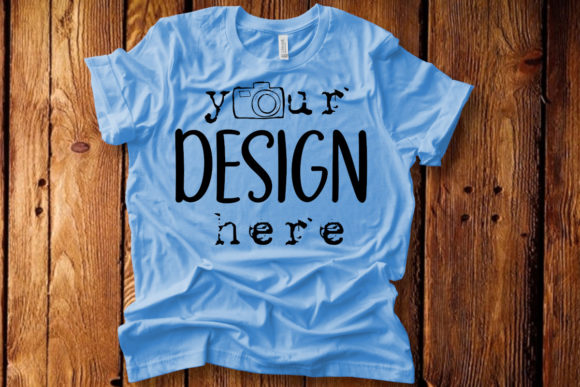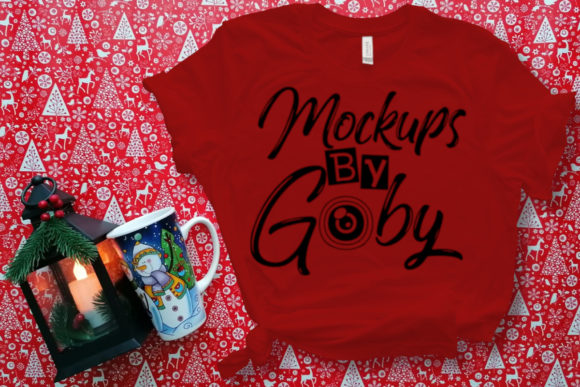
Digital Mockup for T-Shirts and More
As a graphic designer with years of experience in branding, marketing visuals, and digital design assets, I’ve come across countless creative tools. One that stands out is the Digital Mockup—especially when it comes to t-shirt design and other printable products. This asset offers a unique blend of style and functionality that can elevate a client’s visual identity, but it’s not without its nuances.
First Impressions: A Visual Statement
The Digital Mockup immediately conveys a modern, dynamic aesthetic. It feels like a design asset crafted for those who want to add depth and texture to their work without overcomplicating the layout. The visual elements are clean yet expressive, making it ideal for brands that want to balance creativity with professionalism. It has a slightly edgy vibe that works well for handmade businesses, boutique product lines, or seasonal campaigns looking to stand out.
For a small business owner or an Etsy seller, this mockup could be the perfect tool to showcase their products in a more engaging way. Whether it’s a t-shirt design, a sticker, or a Canva template, the Digital Mockup adds a layer of realism that can make a big difference in how a product is perceived.
Real-World Application: Where It Shines
In practical design situations, the Digital Mockup proves its worth across a wide range of projects. For logo design, it provides a strong backdrop that doesn’t overpower the brand mark. In packaging design, it can act as a decorative accent or a thematic element that ties the entire look together. For social media graphics, it adds visual interest without distracting from the message.
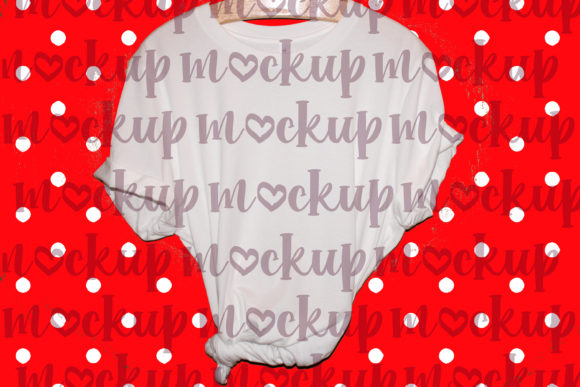
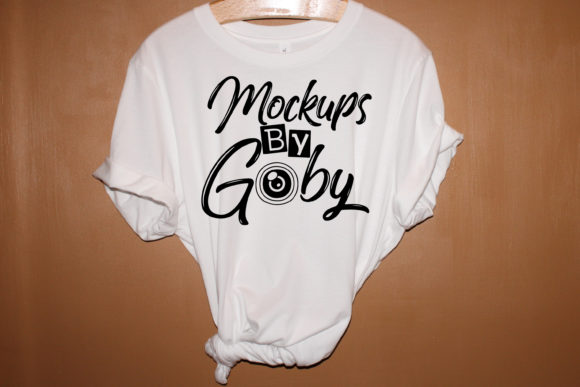
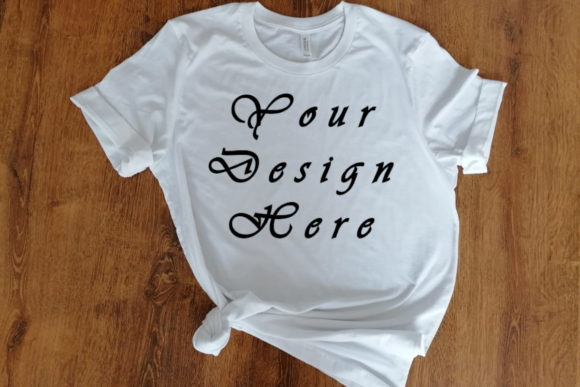
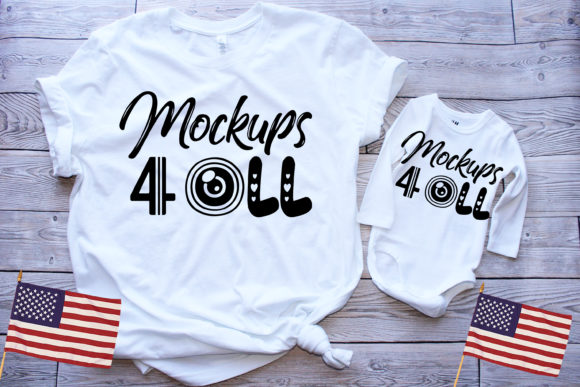
When used in t-shirt design, the Digital Mockup can help visualize how a print will look on different fabric types and styles. It’s also great for creating product mockups that can be shared with clients before production. For Cricut users, it serves as a solid base for sticker design or printable wall art. And for digital sellers, it’s a valuable addition to a design bundle that can be sold on platforms like Etsy or Creative Market.
Best Uses: Large Layouts and Themed Campaigns
The Digital Mockup excels in large layout areas, hero graphics, and themed collections. It works well as a background for posters, flyers, or invitations where a bold, eye-catching element is needed. In campaign visuals, it can reinforce a brand’s story or message through consistent visual language.
It’s also a good fit for packaging details, such as labels or tags, where a touch of personality can make a product more appealing. As a supporting brand element, it helps maintain visual consistency across different mediums, from website graphics to editorial design.
Caution: When to Use It Carefully
While the Digital Mockup is versatile, there are situations where it may not be the best choice. In small sizes, the detail can become lost, making it less effective. In crowded layouts, it might compete with other elements rather than complement them.
On complex backgrounds or low-contrast designs, it can feel out of place. For minimalist branding or professional corporate materials, it may add unnecessary visual noise. Designers should consider the overall visual hierarchy and ensure the asset aligns with the project’s tone and purpose.
Impact on Branding and Design Quality
The right design asset can significantly impact a project’s success. The Digital Mockup contributes to readability by providing a clear contrast against text and other elements. It supports brand consistency by offering a cohesive visual style that can be applied across multiple touchpoints.
From an emotional appeal standpoint, it adds a sense of authenticity and craftsmanship, which is crucial for handmade businesses or small business branding. It also enhances audience engagement by making designs more visually compelling and shareable, especially on platforms like Instagram or Pinterest.
For commercial design projects, the Digital Mockup can help build visual trust and recognition, making a brand more memorable. However, it’s important to test it thoroughly before finalizing any client work.
Practical Designer Notes: What to Check Before Use
Before using the Digital Mockup for a client project, I recommend testing it in black and white to see how it holds up without color. Check contrast on both light and dark backgrounds to ensure it remains visible and legible. Preview it at different sizes to confirm it scales well without losing quality.
Place it on real mockups to see how it interacts with other design elements. Test print quality if it’s intended for physical use, and review file formats to ensure compatibility with your workflow. If it includes PNG transparency, check that it works as expected. For SVG designs, verify that they’re editable and scalable.
Compare it with different font styles—serif, sans serif, script, handwritten, and display—to see how it pairs with your typography choices. Most importantly, confirm the commercial license to avoid any legal issues when using it for a client or business project.
Conclusion: A Valuable Tool for Creative Professionals
The Digital Mockup is a powerful design asset that can enhance a wide range of projects, especially those involving t-shirt design, social media graphics, or printable products. Its modern aesthetic and versatility make it a useful addition to any designer’s toolkit, particularly for small business branding or handmade ventures.
By understanding its strengths and limitations, designers can make informed decisions about when and how to use it. Whether you're working on a Canva template, a Cricut project, or a print-on-demand product, the Digital Mockup offers a fresh perspective that can bring your creative vision to life with greater clarity and impact.